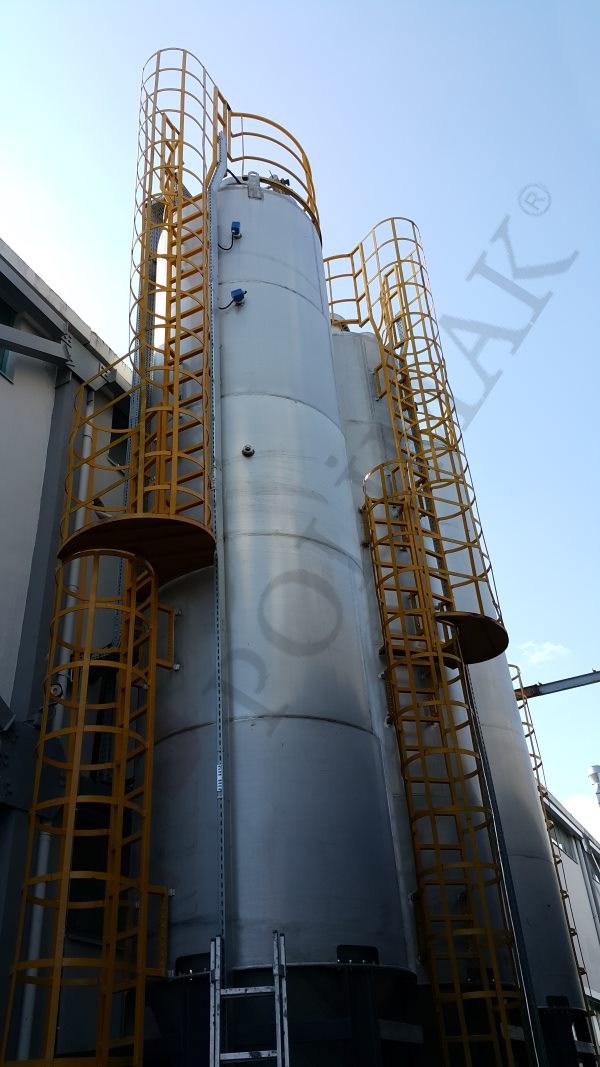
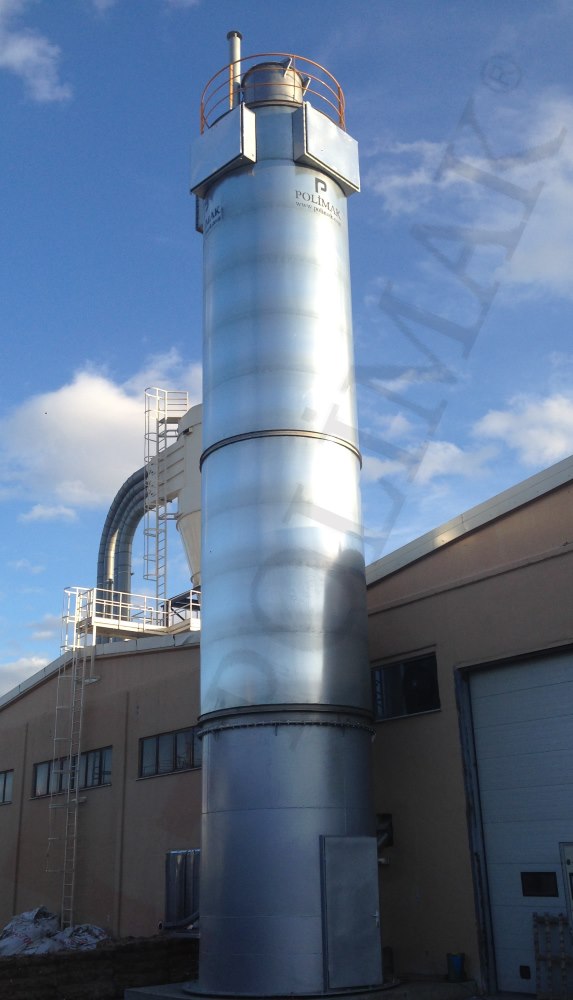
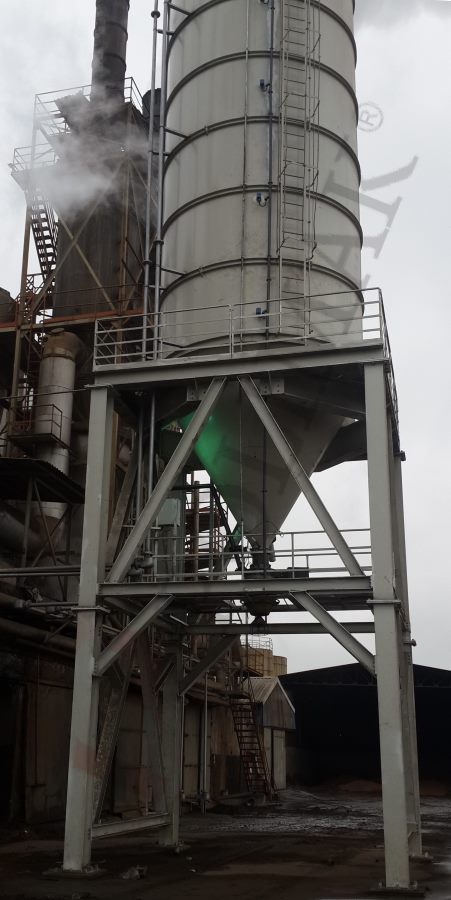
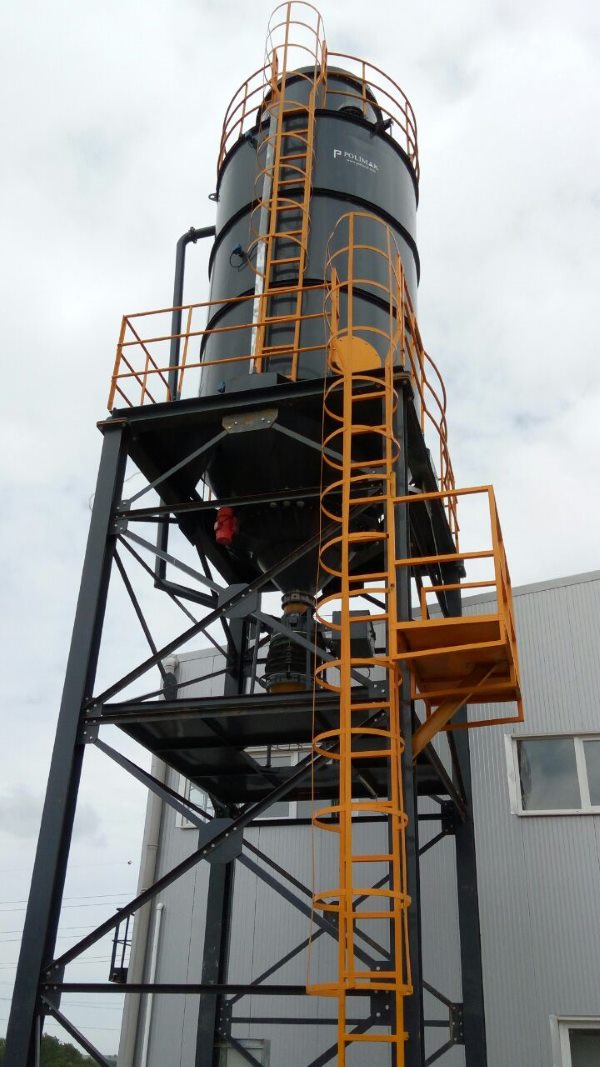
Bulk Material Storage Silos

Efficient storage of bulk materials is essential in maintaining continuous production in many industries. Bulk materials in powder and granular form require careful management to maintain quality and ensure smooth processing throughout the supply chain.

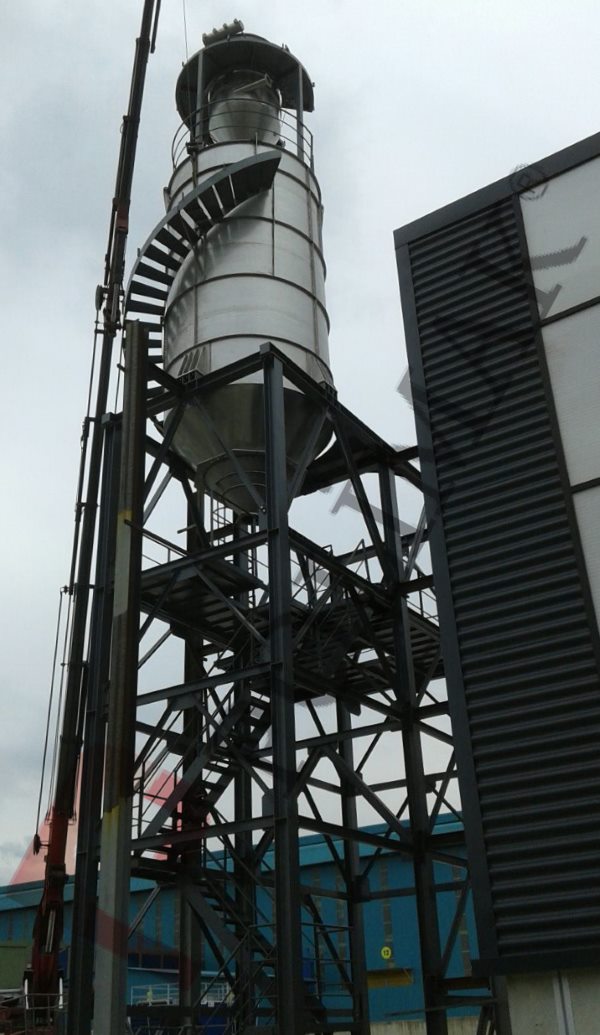
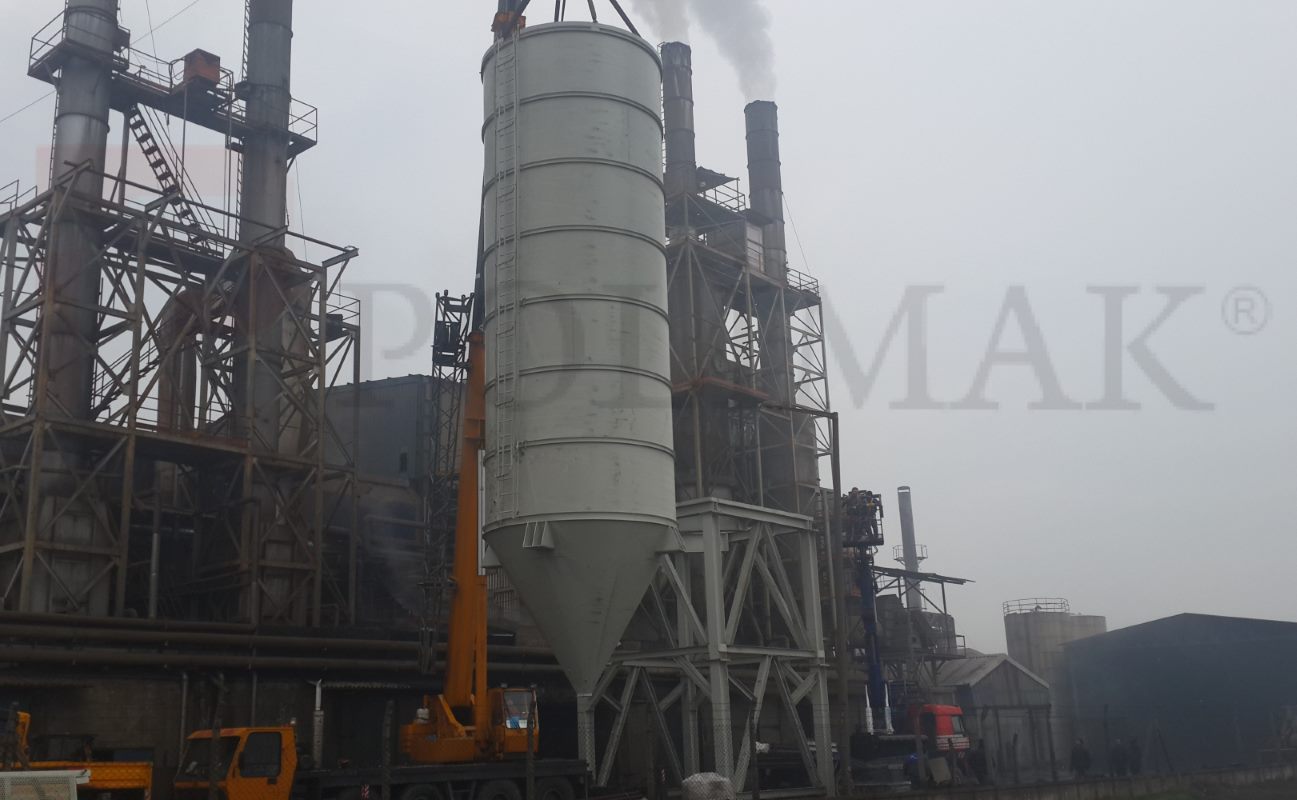
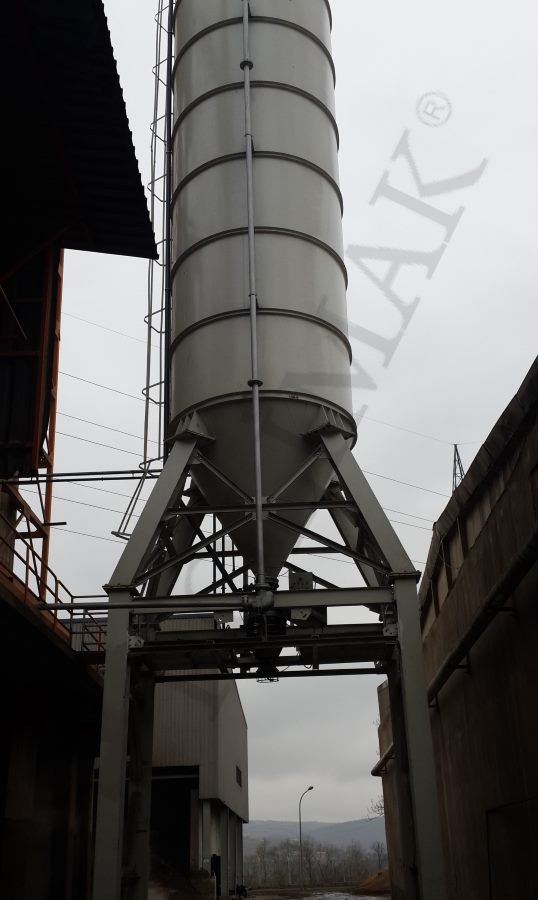
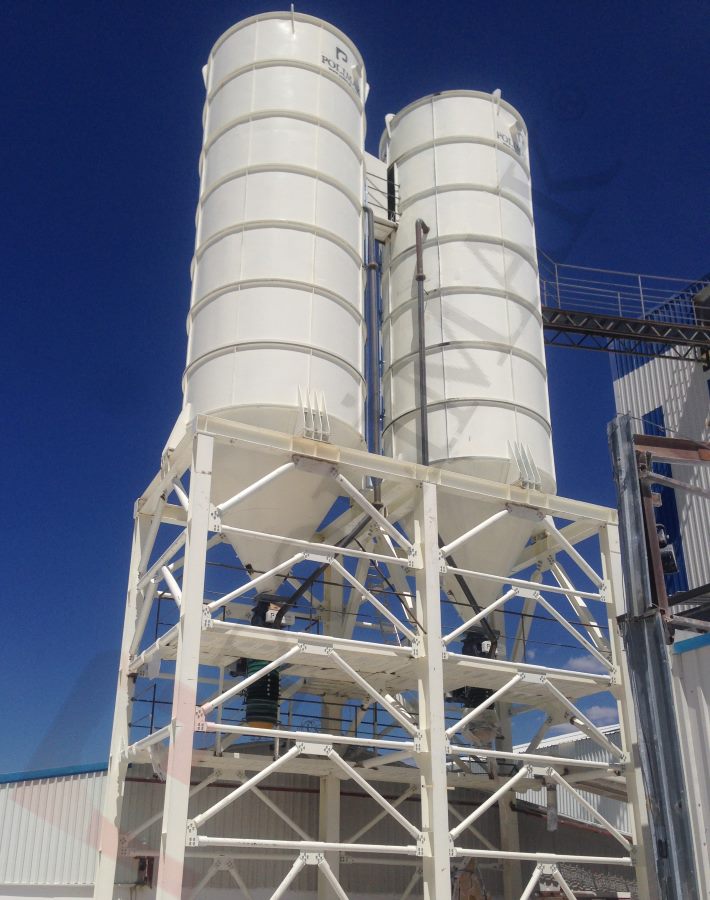
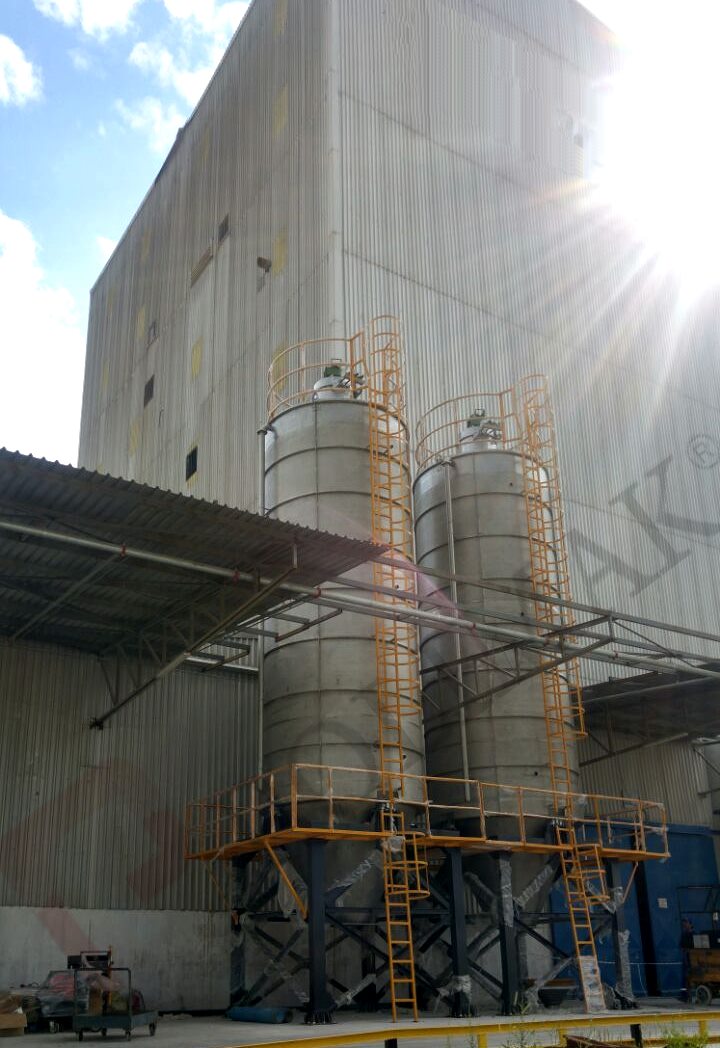
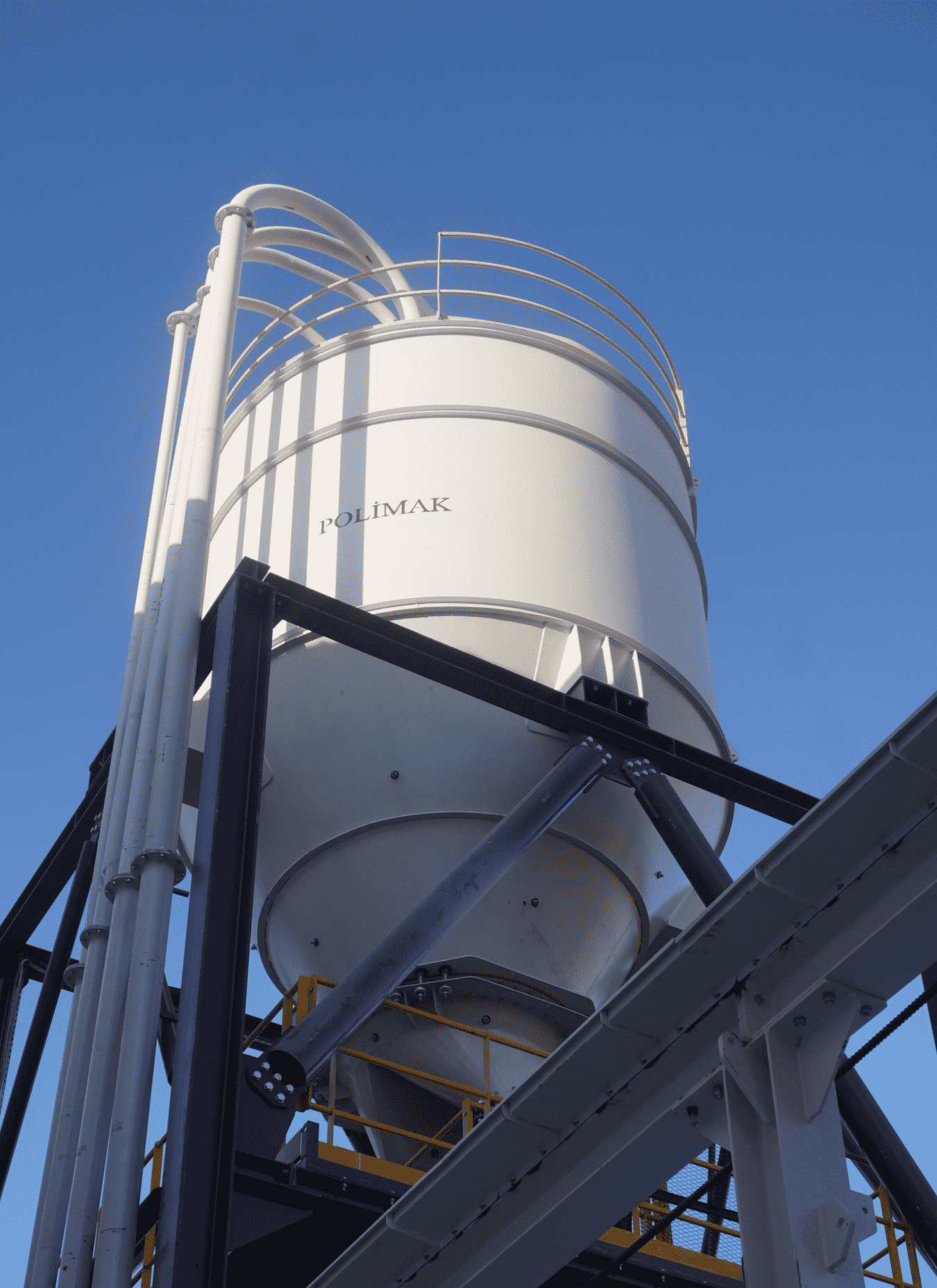
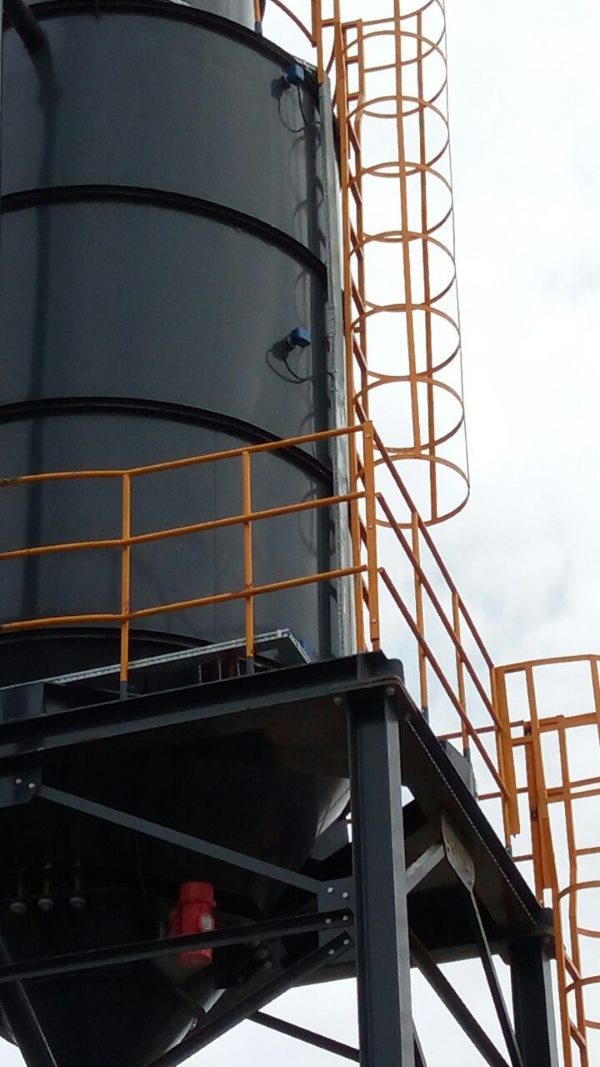
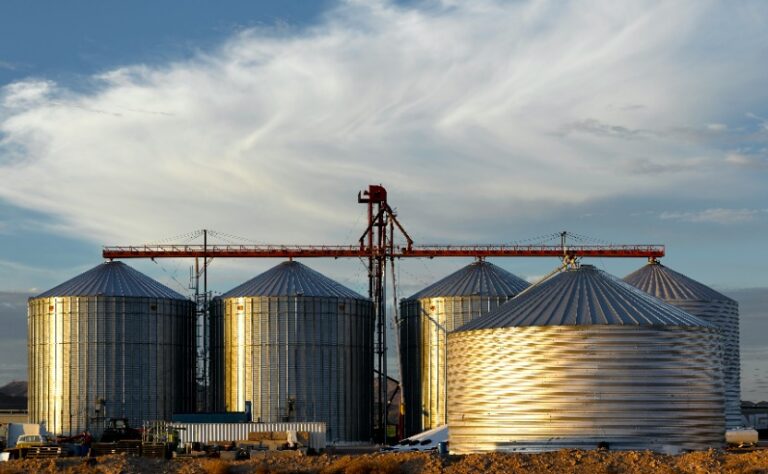
Bulk material storage silos provide a space-efficient solution for holding large quantities of these materials in industrial plants. The design of a silo, including its size, shape, and configuration, determines how bulk solids flow and are stored. Engineering expertise and many years of experience are essential to design and manufacture silos that meet the precise demands of each application. Polimak delivers end-to-end solutions for bulk material storage, offering everything from initial design concepts to complete turnkey installations, ensuring durable and efficient storage systems tailored to client needs.

We offer a wide range of silo options designed to integrate with various applications, types of bulk solids, and environmental factors. Polimak customizes each storage solution to meet specific operational requirements, ensuring reliability and efficiency throughout the production process. Key features and capabilities include:

• Versatile Silo Sizes: Ranging from small, temporary silos ideal for short-term storage to large, high-capacity silos designed for continuous industrial use.

• Material Compatibility: Silos engineered to handle a diverse range of bulk solids, including powders, granules, and abrasive materials.

• Environmental Adaptability: Engineering designs that take into account environmental conditions to protect stored materials and maintain system integrity.

• Advanced Engineering Techniques: Use of cutting-edge methods and technologies to optimize structural strength, flow characteristics, and ease of maintenance.

• Cost Efficiency: Focus on minimizing operational and maintenance costs through durable materials and intelligent design choices.

With this comprehensive approach, Polimak delivers storage vessels that support seamless integration into production lines while maximizing performance and reducing downtime.

Turnkey Dry Bulk Storage Solutions

Handling dry bulk materials efficiently and cost-effectively requires comprehensive and reliable storage solutions tailored to each industry’s unique needs. At the core of our success is a dedicated team of experts who bring deep knowledge and extensive experience in the design, fabrication, and installation of industrial storage systems. Each stage of a bulk storage project demands careful attention to detail to guarantee the final system operates safely and performs at its best. Our experienced engineering team focus on creating durable, safe, and efficient solutions that meet rigorous industrial standards. From initial planning through to full implementation, we ensure every aspect meets the client’s requirements, delivering turnkey projects that support long-term operational success.

Comprehensive Engineering and Implementation Services

Our comprehensive approach covers every stage of a project, ensuring seamless execution and high-quality results tailored to your specific needs. With advanced equipment and experienced professionals, Polimak deliver efficient and reliable solutions from concept to completion. We coordinate each of the following stages to ensure a smooth and successful project delivery.

• Feasibility Analysis

We evaluate the technical, economic, and operational viability of your project, identifying potential challenges and opportunities to ensure a successful outcome.

• Concept Design

Initial ideas and requirements are transformed into practical design concepts, providing a clear vision and framework for the project development.

• Initial Design in 2D/3D

Using advanced CAD software, we create preliminary two- and three-dimensional models that help visualize the system and allow for early adjustments.

• Finite Element Analysis (FEA) for Structural Safety

Our engineers perform detailed structural simulations to assess strength, durability, and safety under various conditions, preventing failures and ensuring compliance with industry standards.

• Cabling, Instrumentation, and Piping Design

We provide comprehensive layouts for electrical cabling, control instrumentation, and piping systems, integrating all components for optimal functionality and maintainability.

• Detailed Design in 2D/3D

Detailed design drawings and models provide exact specifications and dimensions, preparing the project for fabrication and installation phases.

• Fabrication

We manage the manufacturing process, ensuring that all components are built to precise standards, using quality materials and modern techniques.

• Installation

Our skilled teams handle on-site assembly and installation, coordinating with other contractors to keep to deadlines and safety protocols.

• Commissioning

Final testing and adjustment are performed to verify that the system operates correctly and efficiently before full-scale production begins.

Managing all of these phases with precision and expertise, we deliver turnkey solutions that meet your project goals and ensure long-lasting performance.

Silo Design: Essential Considerations for Bulk Material Storage

Designing an effective silo requires careful attention to multiple factors to ensure safe, efficient, and reliable bulk material storage solutions. Understanding material properties, environmental conditions, and operational needs is key to preventing flow issues and structural risks. Key design factors include:

• Bulk Material Characteristics:

o Bulk density determines the silo’s structural load and flow behavior

o Particle size affects flowability and potential for clogging

o Moisture content influences material cohesiveness and risk of sticking

o Corrosiveness requires selection of appropriate interior lining or materials

o Minimum ignition temperature is critical for safety and explosion prevention

• Storage Needs:

o Required volume capacity based on production and supply chain demands

o Filling rates to ensure proper material distribution and avoid segregation

o Discharge rates coordinated with downstream process requirements

o Process limitations such as temperature or pressure constraints

• Silo Geometry:

o Width and diameter determine flow patterns and storage efficiency

o Height impacts pressure on silo walls and flow dynamics

o Cone angle determines material discharge behavior and risk of bridging

o Outlet size affects flow rate and potential for blockages

o Surface roughness impacts material adhesion and flow consistency

• Flow Challenges:

o Arching/Bridging: material forms a stable arch, blocking flow

o Funnel flow: material flows through a channel, leaving stagnant zones

o Piping: flow channel develops along the outlet, leading to material blockage

o Use of flow aids like vibrators, air pads, or liners to mitigate issues

• Structural Safety:

o Accounting for static weight of stored materials on walls and base

o Wind loads exert lateral forces requiring reinforcement

o Seismic loads demand flexible yet strong structural design

o Finite Element Analysis (FEA) to simulate stress and deformation under loads

• Integration:

o Connection points for mechanical conveyors or pneumatic systems

o Compatibility with upstream and downstream equipment for ensuring smooth flow

o Maintenance access and instrumentation for monitoring and control

• Capacity:

o Modular silo systems for scalable storage solutions

o Arrangement of multiple silos for process flexibility and redundancy

o Designed to allow straightforward expansion as production needs increase

• Safety:

o Compliance with occupational health and safety regulations

o Explosion protection measures for combustible dust

o Emergency vents and pressure relief devices

Careful consideration of all these factors and advanced engineering ensures that bulk material storage silos provide optimal performance, safety, and longevity in bulk material storage applications.

Benefits and Key Advantages of Silos in Bulk Material Storage

Silos offer an efficient and reliable solution for storing bulk materials, providing numerous benefits that improve overall operational efficiency and product quality.

• Reduced Floor Space:

Silos use vertical storage to maximize capacity, thereby occupying minimal ground area and making valuable plant floor space available for other operations.

• Clean and Contamination-Free Storage:

The enclosed design protects materials from dust, moisture, pests, and other contaminants, ensuring product integrity and safety.

• Low Operational Costs:

Automated filling and discharge reduce labor requirements and energy consumption, leading to cost savings over time.

• Minimal Dust Emissions:

Proper sealing and dust control systems limit the release of airborne particles, improving workplace air quality and meeting environmental regulations.

• Easier Stock and Inventory Control:

Integrated monitoring systems and level sensors provide real-time data, simplifying inventory management and reducing material shortages or overstock.

• Optimized Filling and Discharge Rates:

Controlled flow design ensures consistent material movement, avoiding operational blockages and improving process efficiency.

• Seamless Integration with Industrial Processes:

Silos can be connected directly to conveyors, feeders, and processing equipment for smooth, continuous material handling.

• Suitable for Both Indoor and Outdoor Use:

Durable construction materials and protective coatings allow silos to withstand various environmental conditions without compromising performance.

• Enhanced Safety:

By minimizing manual handling, silos reduce the risk of workplace injuries and limit exposure to hazardous materials.

• Scalability and Flexibility:

Modular construction allows for easy expansion or modification to meet evolving production requirements.

Silos are a critical component in modern bulk material storage, offering a range of advantages that contribute to safer, cleaner, and more efficient industrial operations. Choosing the right silo design enhances productivity and reduces operational risks.

Bulk Materials Stored in Silos

Industrial Materials Agricultural Products Powders & Granules

Cement Flour Fly ash

Calcium carbonate Seed Starch

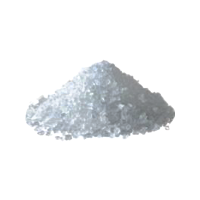
Ash Chickpea Salt

Plastic pellets Bean Spice

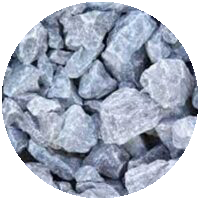
Lime Sesame Glass powder

Sand Almond Marble powder

Gypsum Grain cereals Sawdust

Carbon black Chestnut Talc powder

PVC Coffee grain Baking soda

Coal Coffee powder Bentonite clay

Coal dust Sugar Powdered limestone

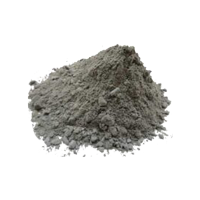
Silica Corn Cement powder

Image Gallery

INSIGHTS

Suggested Products

Explore our wide range of high-quality accessories for your bulk solids handling machinery.

FAQs

Everything you need to know about the product and billing. Can’t find the answer you’re looking for? Please chat to our friendly team.

A rotary feeder is a type of valve whose primary function is to feed or meter dry bulk solids from an upstream device to a downstream device without necessarily maintaining a pressure differential. An airlock feeder, on the other hand, is a valve that separates a pressure differential while feeding or metering dry bulk materials into a downstream system.

The blades of a rotary valve rotate inside the valve housing during operation. This rotation is driven by a motor. As the motor rotates, the rotor pockets move through the valve. Dry bulk solids are supplied to the valve from upstream equipment through its inlet and settle in the pockets. The rotor continues to rotate and discharges the dry bulk solids through the outlet port. There are two types of rotation: load side rotation and return side rotation. Load side rotation is defined as the movement of the rotor pockets from the inlet to the outlet, while return side rotation refers to the movement of the rotor pockets from the outlet port to the inlet port.

Rotary valves are used in several industries for various industrial applications. They are used for different purposes, including controlling the flow of dry bulk solids, feeding downstream systems, and maintaining a pressure differential between an upstream device and a downstream device.
LATEST

Related News

Stay updated with our informative blog posts.
DOWNLOAD

Related Documents

Lorem Ipsum is simply dummy text of the printing and typesetting industry.
PRODUCTS

Bulk Material Storage Silos

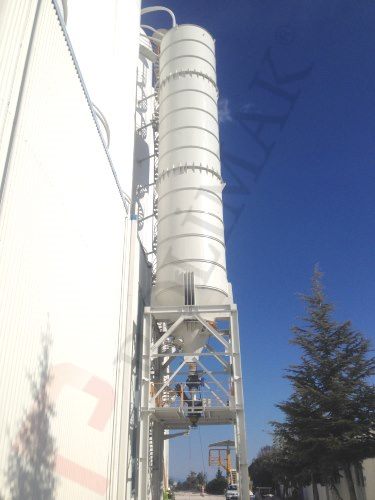
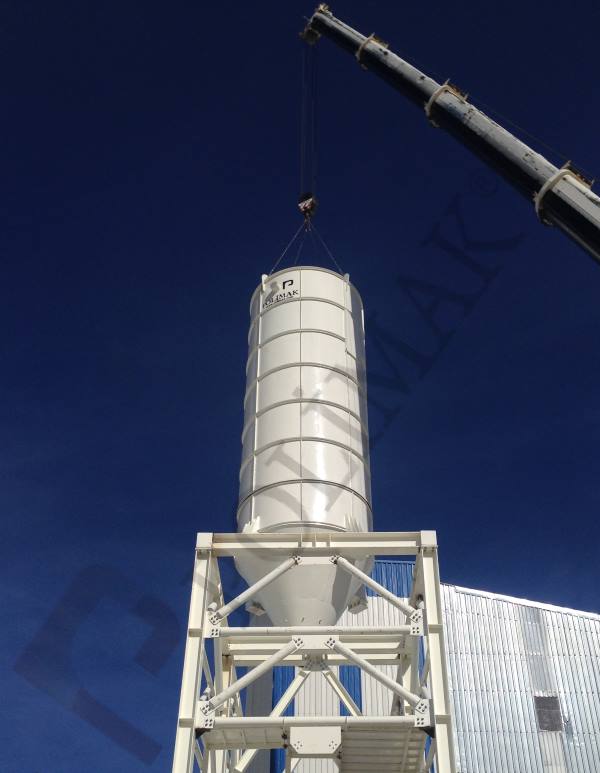
Bulk materials in powder and granular form are used in a wide range of industrial processes. To ensure system reliability, large amounts of raw materials must be stored safely and efficiently for further processing. Silos serve as storage vessels for such materials while occupying minimal floor space in industrial plants. As an integral part of production lines, extensive know-how is essential for designing silos with the correct configuration, geometry, and size. Polimak provides reliable solutions for bulk solid storage systems and silos, from concept design to turnkey installation.
An extensive range of silos is available, depending on the type of application, handled bulk solids, and environmental conditions. Polimak designs storage vessels ranging from small temporary silos to high-capacity, large-scale silos, utilizing state-of-the-art engineering methods to ensure maximum performance and minimal operational costs.

Turnkey Dry Bulk Storage Solutions

Our ability to deliver solutions across diverse industries is driven by a team of professionals with extensive experience in designing, manufacturing, and installing industrial components and systems. Every phase of a bulk material storage project is critical to achieving the desired performance and ensuring safety. Our highly experienced engineers provide industrial solutions designed for reliability, safety, and optimal performance.

Our Engineering and Implementation Capabilities

• Feasibility Analysis

• Concept Design

• Initial Design in 2D/3D

• Finite Element Analysis (FEA) for Structural Safety

• Cabling, Instrumentation, and Piping Design

• Detailed Design in 2D/3D

• Fabrication

• Installation

• Commissioning

Silo Design

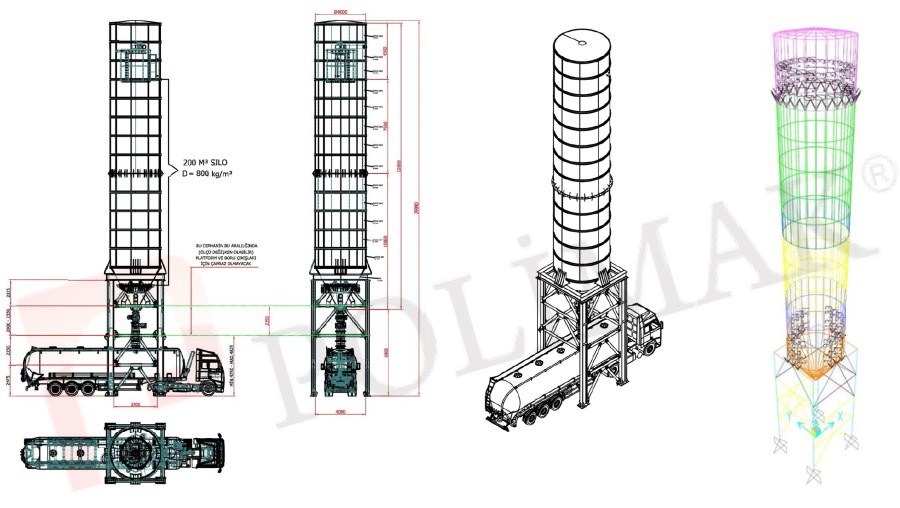
Silo design depends on several factors, each of which should be carefully considered to achieve an efficient bulk material storage and handling solution. The physical and chemical properties of the stored bulk solid (such as bulk density, particle size, angle of repose, flowability, moisture content, corrosivity, and minimum ignition temperature), storage volume, silo filling and discharge capacity, process limitations, connected equipment, wind loads, and seismic loads are some of the key factors in silo design. Process and occupational safety considerations are also crucial elements in the engineering design of silos.

Although silos are often seen as simple structures for bulk material storage, they come with several operational risks. Depending on product properties and environmental conditions, flow problems such as arching (bridging), piping, or funnel flow may occur.

Consequently, silo geometry (including width, height, cone angle, and outlet size), surface roughness, and flow aid equipment must be properly determined to ensure the smooth discharge of bulk solids. Additionally, the weight of the stored bulk solid, as well as seismic and wind loads, can pose significant risks if not properly accounted for. Therefore, finite element analysis (FEA) is applied to ensure structural stability.

Bulk solid storage silos are typically connected to other equipment and machinery, making mechanical or pneumatic conveying systems necessary for transferring bulk material between silos and connected equipment. In large industrial plants handling high volumes of bulk materials, multiple silos may be integrated to increase storage capacity.

Image Gallery

Advantages of Silos in Bulk Material Storage

• Reduced floor space

• Clean and contamination-free storage

• Low operational costs

• Minimal dust emissions

• Easier stock and inventory control

• Optimized filling and discharge rates

• Seamless integration with industrial processes

• Suitable for both indoor and outdoor use

Bulk Materials Stored in Silos

Starch
   
Minerals
  
Coffee Powder
Spices
  
Limestone
  
Copper Oxide
Cement
  
Salt
  
Sugar
  
Sand
  
Calcium Carbonate
Alumina
  
INSIGHTS

Models

Explore our wide range of high-quality accessories for your bulk solids handling machinery.
QUALITY

Accessories

Explore how Polimak's custom-designed bulk material handling systems offer seamless storage, transport, and processing solutions. With over 40 years of industry experience, our focus on R&D and safety ensures that you meet your toughest challenges efficiently.
INSIGHTS

Suggested Products

Explore our wide range of high-quality accessories for your bulk solids handling machinery.

TAGLINE Privacy Policy Lorem ipsum dolor sit amet, consectetur adipiscing elit. Maecenas ut lacus eros. Nam et orci ut lectus sodales molestie sollicitudin nec leo. Aliquam viverra ornare elit et maximus. Nunc eu ultrices sapien, et euismod nisl. Proin porttitor neque enim. Who we are Suggested text: Our website address is: https://v1.polimak.com/. Comments Suggested text: […]

Models

Our Engineering, Your Success… DISCOVER OUR PRODUCTS OUR PRODUCTS Explore our wide range of versatile bulk material handling machinery. Explore our wide range of versatile bulk material handling machinery. View all Rotary Valve A rotary valve, also known as an airlock feeder or airlock valve, is a piece of bulk material handling equipment used to […]

Models

OVER 40 YEARS OF SERVICE About Us Polimak is a leading engineering and fabrication company, specializing in bulk solids handling technologies for over four decades. Our wide range of versatile bulk material handling machinery is appropriate for value-added logistics as well as handling powders, granules and pellets in the food, chemical, plastics, minerals, and agriculture […]

Models

SHAPE THE FUTURE Career We are an internationally and rapidly growing dry bulk solids handling equipment and systems supplier which reckons that one of the key elements to success is acquiring a passionate, talented and diverse workforce. At Polimak, we work hard to establish an environment for our employees that delivers thought-provoking objectives, thus fostering […]

Models

Products Explore Our Wide Range of Versatile Products At Polimak, we offer a diverse selection of cutting-edge bulk solids handling machinery. Our products are designed to meet the unique needs of various industries, including food, chemical, plastics, minerals, and agriculture processing. From efficient logistics solutions to heavy-duty industrial applications, our exceptional range of products ensures […]

Models
LATEST

Related News

Stay updated with our informative blog posts.
DOWNLOAD

Related Documents

Lorem Ipsum is simply dummy text of the printing and typesetting industry.

Discover our amazing products today

Discover our amazing products today
Join our newsletter to stay up to date on features and releases.

By subscribing you agree to with our Privacy Policy and provide consent to receive updates from our company.

© 2024 Polimak. All rights reserved. Design & Development by brain.work
Contact Us
These valves are typically actuated by pneumatic actuators and are used to automatically open and close the product flow to discharge material to downstream equipment.
Installed below silos or hoppers, these valves are used for maintenance operations of equipment such as rotary valves, screw feeders, etc., that are positioned below the butterfly valve.
These valves are typically actuated by pneumatic actuators and are used to automatically open and close the product flow to discharge material to downstream equipment.
In this design, the butterfly valve is sandwiched between two flanges. Rubber sealing at both faces of the valve provides a tight seal between the flanges and the wafer butterfly valve.
One side of the valve has a bolted flange connection, while the other side features a built-in short pipe designed for fixing a flexible sleeve.
These valves have bolted flange connections on both sides, making them suitable for installation on silos, hoppers, screw feeders, and similar applications.
Bulk tanker trucks or open trucks can be filled with powdered materials delivered within FIBC bags. These systems generally consist of bulk bag discharging station, mechanical or pneumatic conveyor and loading bellow. Big bag discharge station transfers the bulk solid from big bag to conveying system. Conveying system transfers it to truck loading area. And loading bellow is used to fill tanker truck without any dust emission. Since truck loading operations are done within limited time, high capacity big bag discharge systems and bulk material conveying systems are used. For short distances, screw conveyors are preferred to transfer material from big bag discharge station to truck loading chute. For long conveying distances, pneumatic conveying systems provide better service. There may exist a storage hopper or silo above bulk truck loading bellow to compensate material flow between inlet and outlet. Bulk bag discharge and truck filling systems have automatic control system that monitors product level in truck and operates all equipment accordingly. Optional weighing system can be added to measure the amount of material that is filled to truck.
Big bag discharge systems can deliver dry bulk solids in powder and granular form to weighing and batching systems. The loading hopper of the weighing system should remain full during dosing and batching. Big bag discharge systems can monitor the product level in the loading hopper and maintain a constant level automatically. Depending on the dosing speed and conveying distance, mechanical conveying systems or pneumatic loading systems may be used. Dust collectors can be employed to prevent dust emissions during hopper loading, especially for materials with high dust content.
Dry bulk packaging systems are used to fill powdered or granular materials into bags, drums, jars, sacks, etc. Bulk materials delivered in big bags must be transferred to packaging machines without interruption. The loading hopper of the packaging system should remain full during the filling and packaging process. Big bag discharge systems can monitor the product level in the loading hopper and maintain a constant level automatically. Depending on the packaging speed, mechanical conveying systems or pneumatic loading systems can be selected. Dust collectors can be used to prevent dust emissions during hopper loading, especially for materials with high dust content.
Mixer automation systems are used to mix dry bulk solids according to specific recipes. Raw materials delivered in FIBC bags can be transferred to mixing units through a combination of conveying equipment and bulk bag discharge systems. Depending on the type of application, pneumatic conveying or mechanical feeding systems can be used to fill mixers. Big bag discharge stations can be manufactured with built-in dosing systems. The amount of raw material to be loaded into the mixer is automatically controlled with the help of a weighing and dosing system. Dust collectors can be used to prevent dust emissions during the mixer filling process.
Bulk material stored in big bags can be automatically filled into small bags. Big bag discharge systems come with optional built-in bag filling units. For low filling capacities, these units are installed below the big bag discharge hopper, providing a practical and cost-effective solution. Both big bag discharging and bag filling operations can be handled by a single, compact system. For higher bag filling needs, bag filling machines are installed near the bulk bag discharge stations. Pneumatic conveying systems or mechanical conveyors can be used to transfer bulk material from the FIBC bag discharge station to the bag or sack filling system.
Mechanical conveyors can be used for silo loading from big bag discharge stations. Screw feeders, bucket elevators, rotary valves, or chain conveyors are connected to big bag discharge stations to fill silos. The selection of conveying equipment directly depends on the conveying distance, height, transferred material, and capacity. Bucket elevators are preferred for high silos, while screw feeders are preferred for shorter silos and short distances. The big bag discharge system can be installed on top of the silo for faster filling. In this case, rotary valves or butterfly valves are better choices as they provide simple flow control. Dust collection systems may be required depending on the dust content of the bulk solid. During silo loading, air content in the silo escapes to the atmosphere and carries some dust along with it. Vacuum fans and jet filters in dust collectors prevent dust emissions into the environment. The collected dust is sent back to the silo, thus preventing product loss.
Pneumatic conveying systems installed after bulk bag discharge units transfer bulk material through conveying pipelines to fill silos. This configuration is useful in applications where high transfer rates and long conveying distances are needed. In production lines where raw materials are stored in warehouses far from storage silos, bulk bag discharge stations can be installed close to the warehouses, and pneumatic conveying systems are used to fill silos from long distances. This design reduces the need for forklifts and cranes for bulk material transfer on the production site and increases overall efficiency.

Pneumatic conveying systems used for silo loading utilize blower pumps or compressors. Motor power, pipeline diameter, and equipment selection depend on the type of bulk material, transfer distance, silo height, and transfer capacity. Level sensors, jet filters, and other equipment are installed on storage silos to ensure the proper operation of the silo filling system.
Pneumatic conveying systems installed after bag dump units transfer bulk material through pipelines to fill silos. This configuration is ideal for applications requiring high transfer rates and long conveying distances. In production lines where raw materials are stored in warehouses far from storage silos, bag dump stations can be installed close to warehouses, allowing pneumatic conveying systems to transport materials over long distances. This design reduces the excessive use of forklifts and cranes for bulk material transfer within the production site, improving overall efficiency.

Pneumatic transfer systems used for silo loading utilize blower pumps or compressors. Motor power, pipeline diameter, and equipment selection depend on factors such as the type of bulk material, transfer distance, silo height, and transfer capacity. Level sensors, jet filters, and other equipment are installed on storage silos to ensure the proper operation of the silo filling system.
Mechanical conveyors can be used for silo loading from bag dump stations. In this configuration, screw feeders, bucket elevators, rotary valves, or chain conveyors are connected to bag dump stations to fill silos. The selection of conveying equipment depends on factors such as conveying distance, height, material properties, and capacity. Bucket elevators are preferred for high silos, while screw feeders are ideal for shorter silos and short distances. Bag dump systems can be installed on top of the silo for faster filling. In such cases, rotary valves or butterfly valves are better choices as they provide simple flow control.

Dust collection systems may be required depending on the dust content of the bulk solid. During silo loading, air inside the silo escapes to the atmosphere, carrying dust particles with it. Dust collectors equipped with a vacuum fan and jet filter capture airborne dust. The collected dust is returned to the silo, preventing product loss and ensuring a cleaner environment.
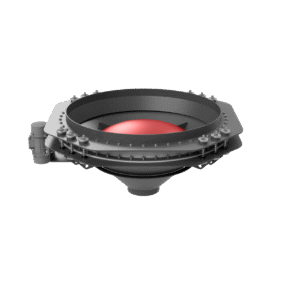
The inlet skirt is an optional feature designed to extend the lifespan of the flexible connector sleeve. Its upper portion is attached to the outlet port of the upstream equipment and extends down into the bin activator’s inlet port. The primary function of the inlet skirt is to serve as a protective shield, safeguarding the flexible connector seal from wear and damage.
A vibratory motor is externally mounted to the bin activator. When powered, the motor generates vibrations that facilitate a steady flow of dry bulk materials within the system. Depending on the application requirements, one or two vibratory motors can be installed externally.
To accommodate a bin activator, the cone of a silo must be shorter than usual, resulting in a wider outlet. A flange supplied with the bin activator is separately welded to the silo’s outlet, slightly above the opening, at the production site. Once installed, the vibrating bin discharger is securely bolted to the flange, ensuring a stable and reliable connection.
Special spring suspension links and an engineered polymer seal work together to create a flexible connection between a vibrating bin discharger and the equipment positioned above it.

The proper design and installation of the polyurethane seal prevent it from slipping off and ensure a secure seal, eliminating the risk of dry bulk material leakage. Additionally, the seal offers high stress resistance and long-term durability, withstanding stresses caused by motor vibrations, pressure conditions, and other operational factors.

Externally installed spring suspensions provide full resilience to the vibrations of the cone head. They ensure that the generated vibrations affect only the cone itself rather than the upstream equipment structure.
An internally tapered, conical-shaped baffle plate is positioned at the center of the bin activator’s diameter. The baffle is rigidly attached to the equipment body using structural steel components. It facilitates bulk material flow from upstream equipment by directly inducing vibrations into the material.

A secondary deflector plate reduces the weight of the bulk material in the lower portion of the bin activator by acting as a wedge beneath the material, directing it around the areas adjacent to the cone’s surface.

Polimak baffle plates are available in various configurations, including convex and cone plates, and in different angles (15°, 30°, 45°, or even 60°) depending on the flow characteristics of the handled bulk material and the specific application requirements.