Bridging
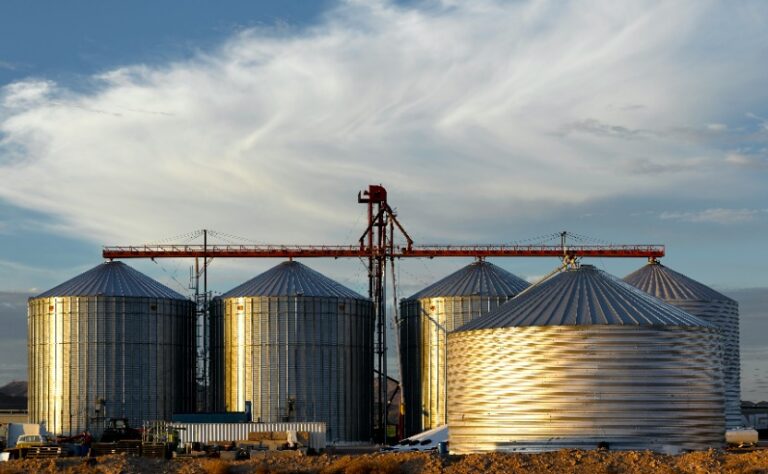
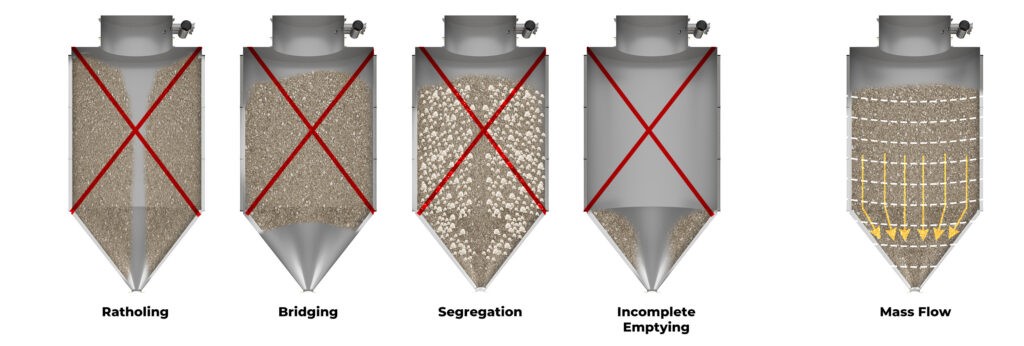
Bridging, also known as arching, refers to the formation of a stable arch-like structure of bulk material above the outlet of a silo, bin, or hopper. This arch supports the weight of the material above it and effectively blocks the bulk material flow.
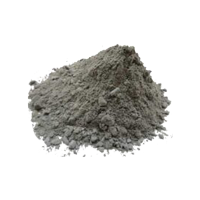
• In fine or cohesive materials, bridging often is caused by strong adhesive or cohesive forces between particles. These forces allow the material to stick together, forming a self-supporting structure that forms across the container outlet.
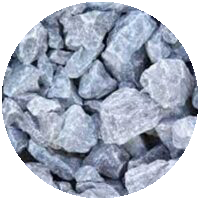
• In coarse or granular materials, bridging occurs due to mechanical interactions such as particle interlocking or wedging. Large or irregularly shaped particles can get compacted across the outlet, forming a physical obstruction.
• Bridging interrupts the material discharge process, leading to inconsistent material flow, increased downtime, and potential safety hazards if not cleared properly.
Ratholing
Ratholing occurs when bulk material flows only through a narrow vertical channel directly above the discharge outlet, while the surrounding material does not flow.
• This flow pattern creates a funnel-shaped void within the storage container, resembling the shape of a rodent tunnel—hence the name “ratholing.”
• Ratholing is often seen in materials with poor flowability or high cohesiveness, where the bulk solid is strong enough to maintain the shape of the stagnant zone without collapsing into the flow path.
• This issue causes incomplete discharge, reduced usable storage capacity, and potential spoilage or degradation of trapped material, especially in food or chemical applications.
• Ratholing is particularly problematic when the material doesn't collapse into the flow channel on its own, requiring mechanical intervention to restore proper flow.
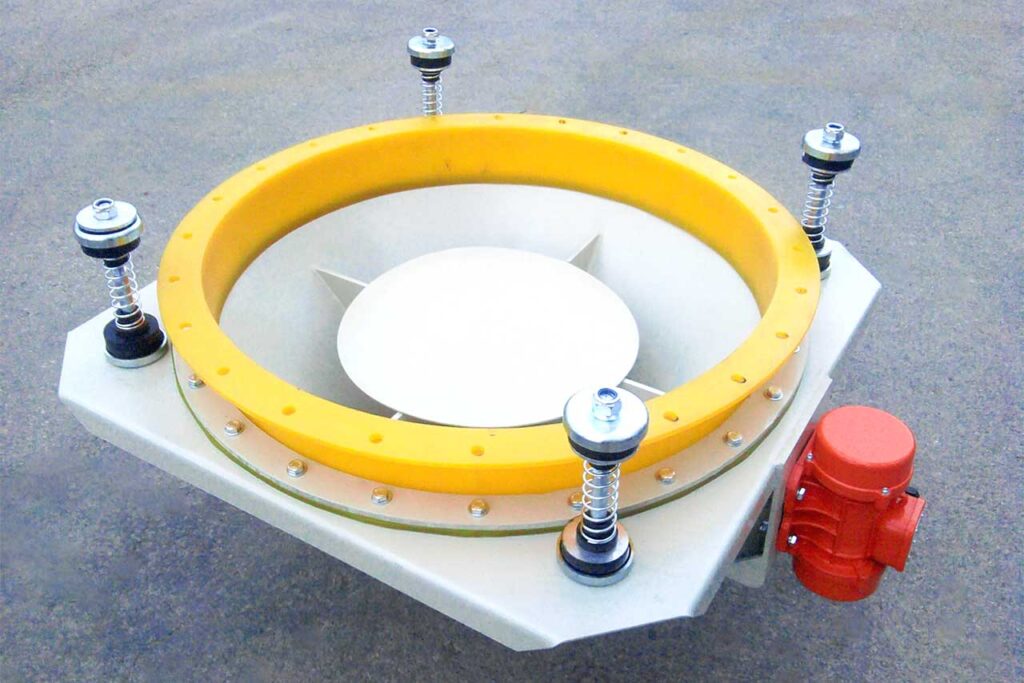
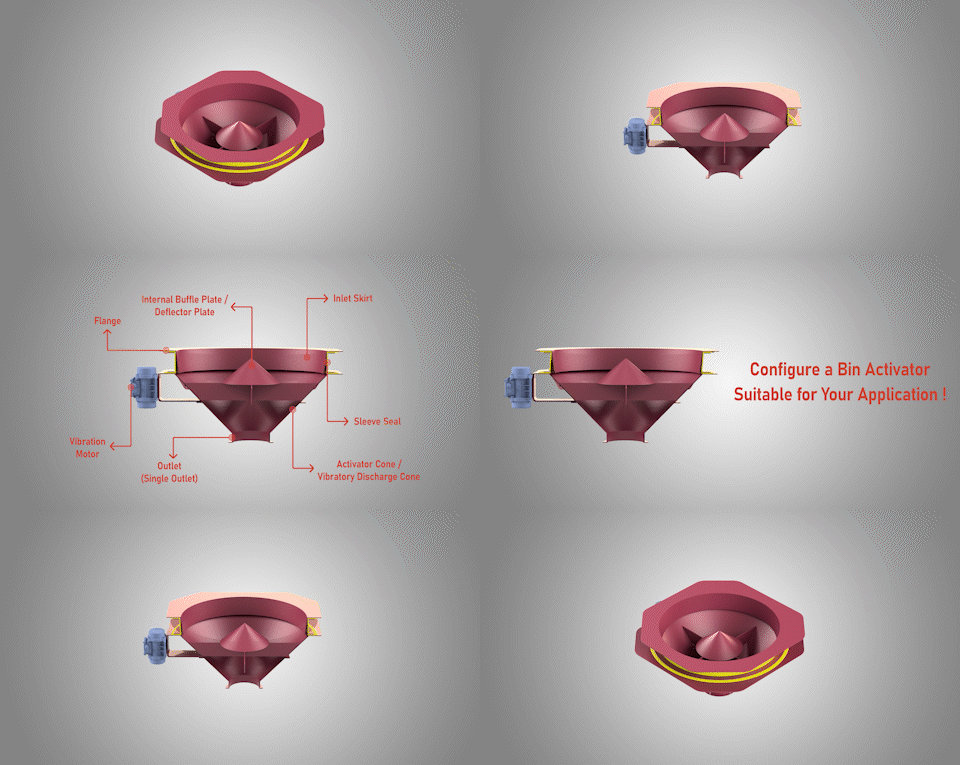
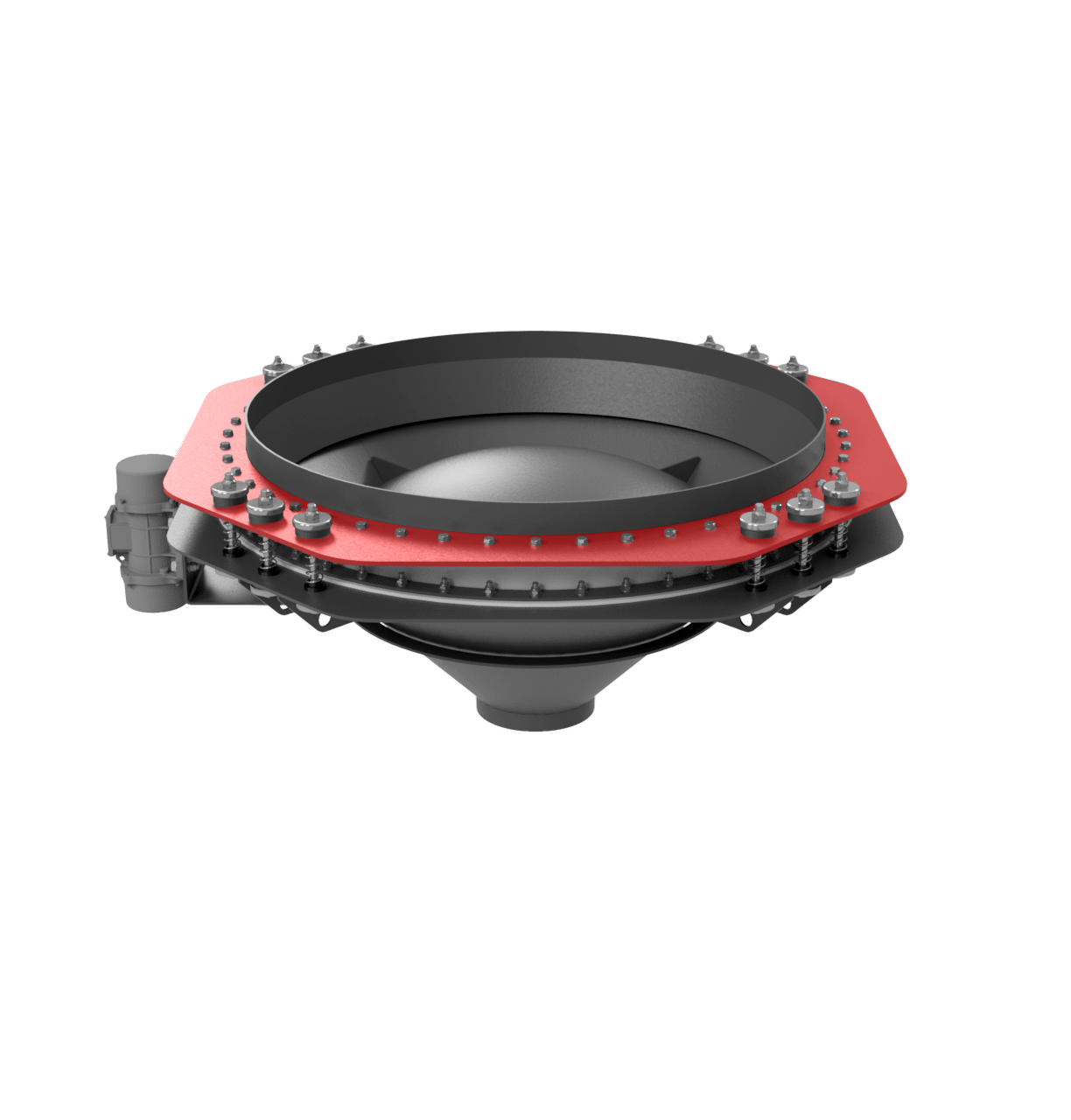
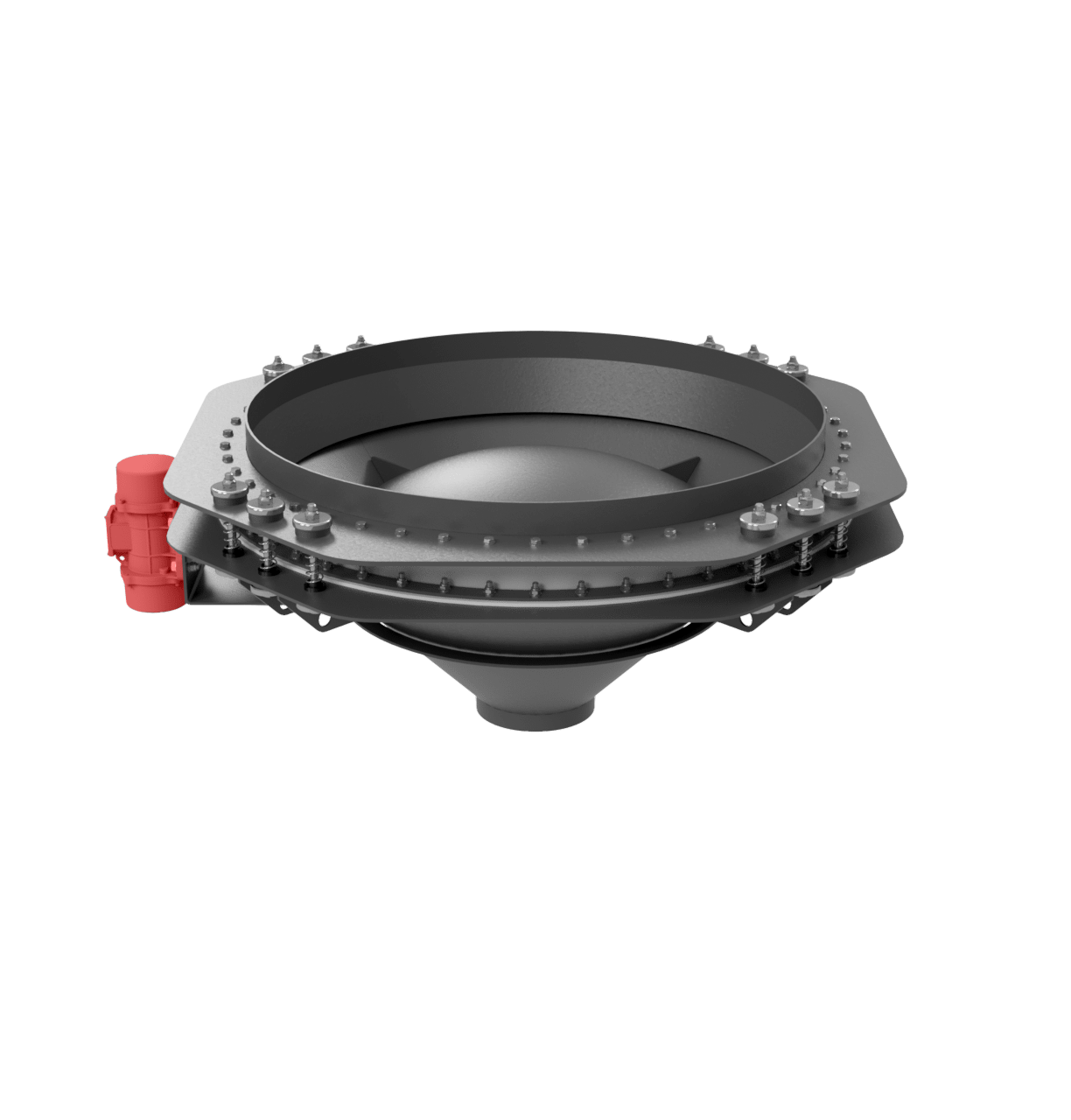
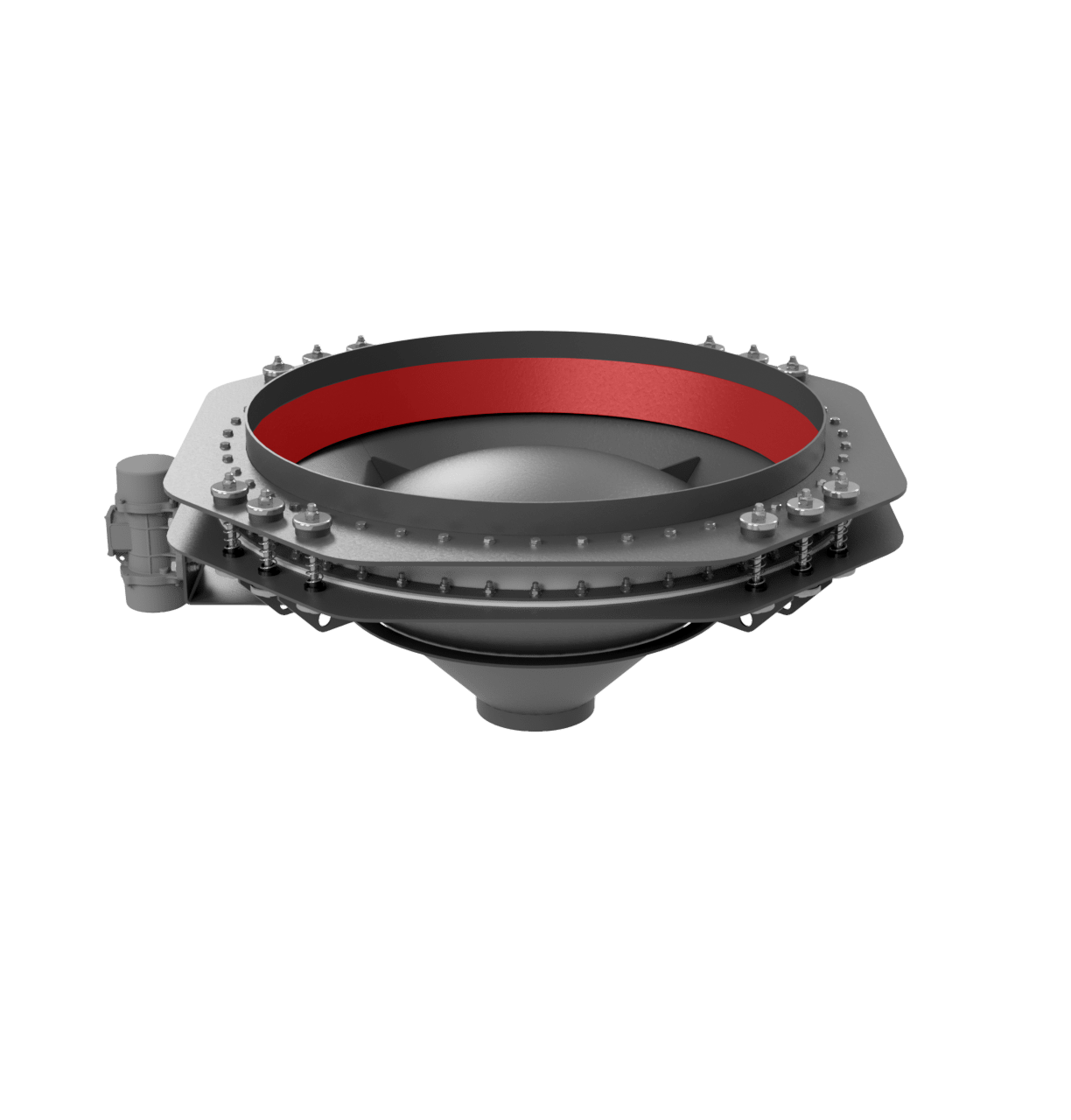
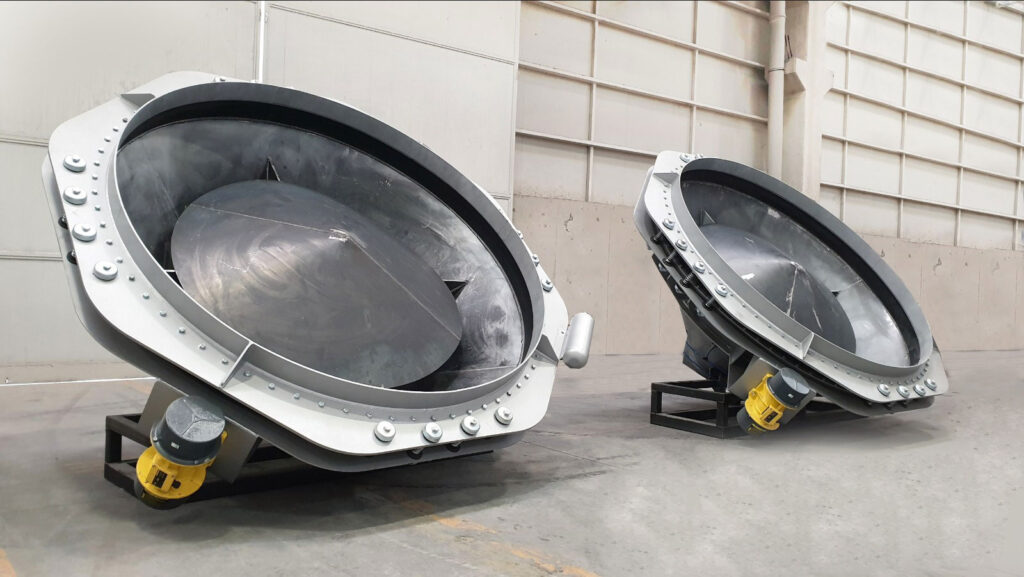
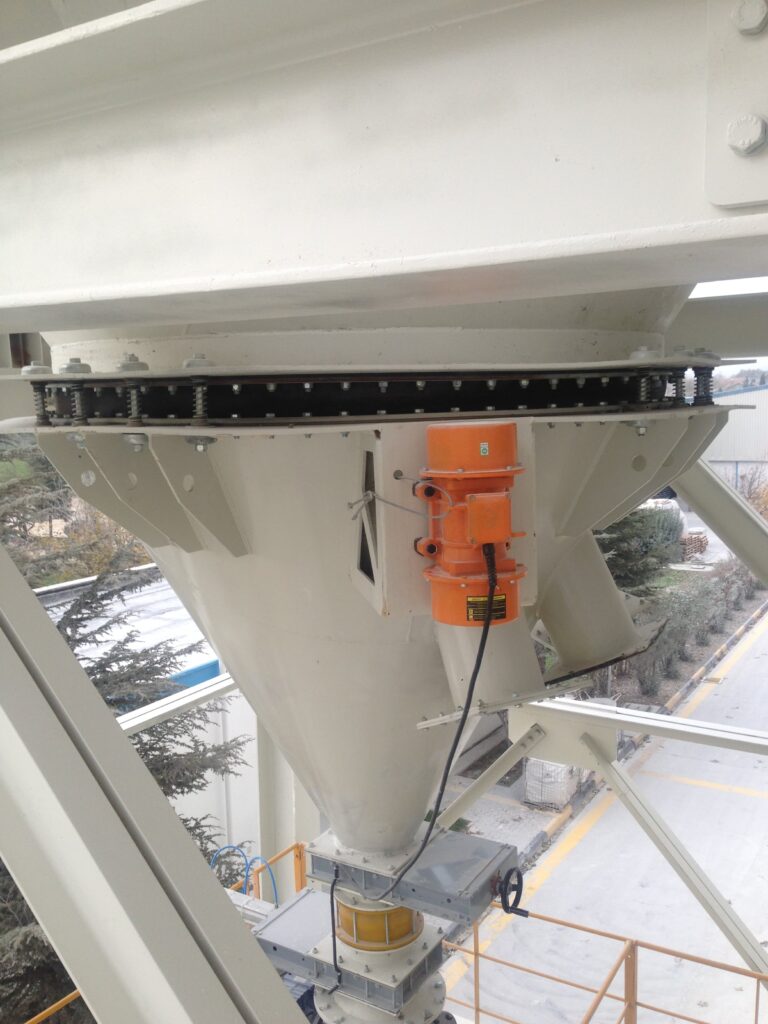
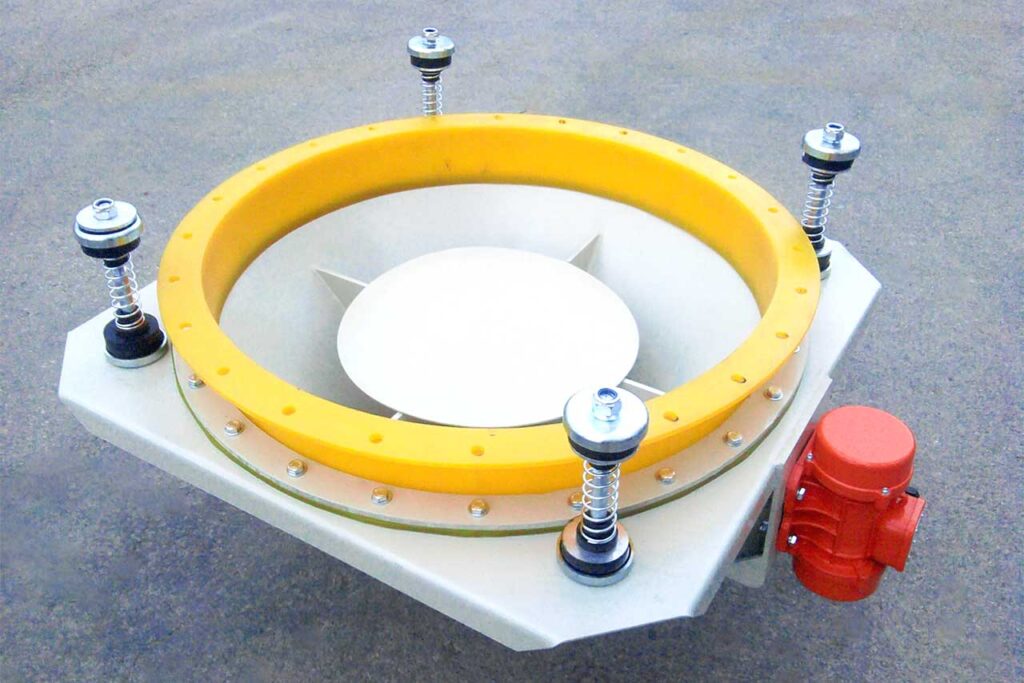
Both bridging and ratholing are major flow problems in bulk material handling systems and often require the use of bin activators, flow aids, hopper redesign, or material conditioning to overcome effectively.